
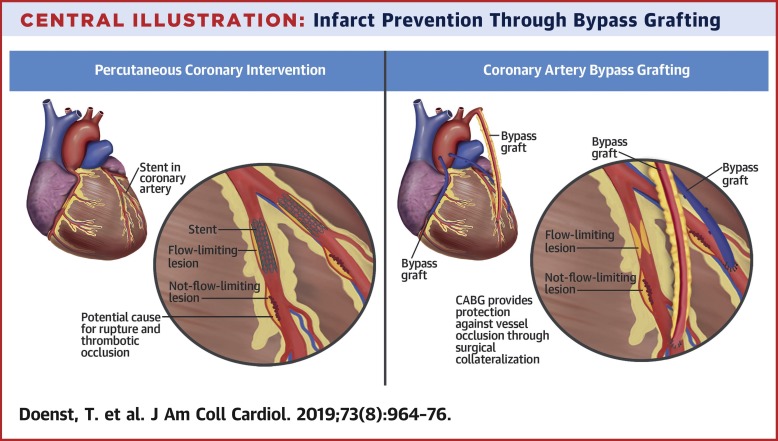
CABG vs. Stent: Addressing Patient’s Apprehensions

Introduction

When it comes to treating coronary heart disease, patients often face a choice between two primary procedures: coronary artery bypass grafting (CABG) and percutaneous coronary intervention (PCI) with stent placement. This decision can be overwhelming and lead to apprehension. Understanding the differences, benefits, and risks associated with each procedure is essential for patients to make informed decisions about their treatment. In this blog post, we will explore CABG and stent placement, addressing common patient apprehensions along the way.
Anticoagulant Therapy: A Comprehensive Overview and Nursing Responsibilities

Introduction:

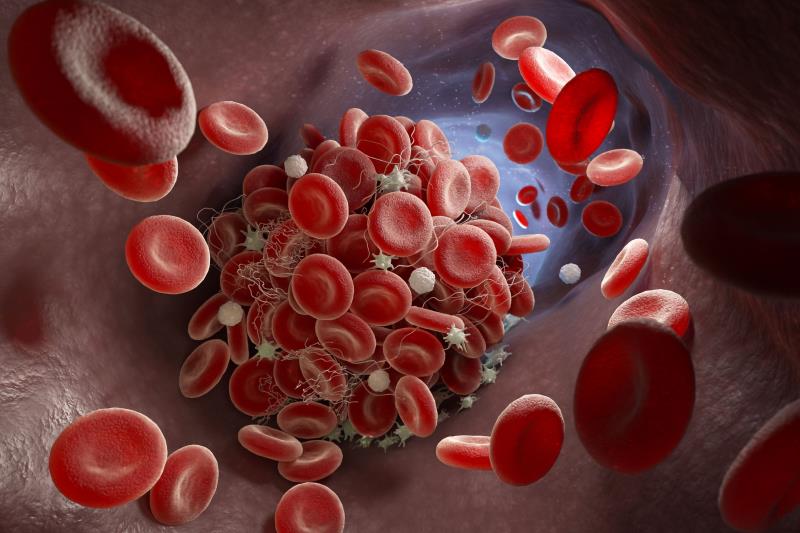
A crucial component of contemporary healthcare is anticoagulant therapy, which uses drugs to both prevent and treat blood clots. This blog post gives a thorough overview of anticoagulant therapy, emphasizing its goal, different anticoagulant classes, typical applications, potential drawbacks, advantages, and nursing responsibilities. Readers can obtain a deeper grasp of this critical therapy and the crucial role that nursing practitioners play in its administration by focusing on anticoagulant medications and chronic anticoagulation.

Precautions To Take Care Of Av Fistula

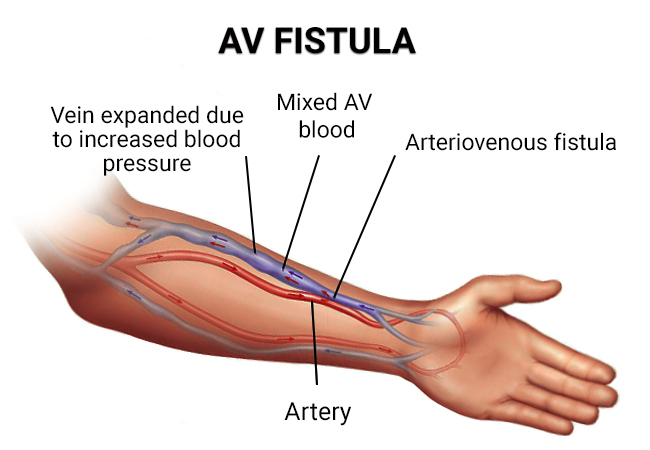
Need to know that an arteriovenous (AV) fistula is a type of access used for hemodialysis. It can be used whether dialysis is performed at a dialysis centre or you perform home hemodialysis (HHD). An AV fistula is a connection between an artery and a vein creating a ready source with a rapid flow of blood. And know that the fistula is located under the skin and is used during dialysis to access the bloodstream.